

Stress affects every system in the body, and your skin is often the first place those internal shifts become visible. Whether it’s a breakout before a big meeting or a patch of dry, itchy skin during a difficult month, the connection between your emotional well‑being and your complexion is real.
Understanding how stress influences your skin is the first step toward breaking the cycle, lowering cortisol, and supporting a healthier, more resilient barrier.
Stress is a normal part of life, but when it becomes chronic, it places a steady strain on your overall health. During stressful periods, your body releases cortisol—your primary stress‑response hormone. In short bursts, cortisol is helpful. But when levels stay elevated for too long, your body remains in a heightened state it was never meant to maintain.
Many people experience the physical toll of chronic stress without ever realizing that cortisol is the culprit. When your body remains in a prolonged stress response, it can contribute to a wide range of systemic health issues, including:
Because your body is redirecting its vital resources to survive these perceived internal threats, non-essential functions—like maintaining a flawless, healthy skin barrier—take a back seat.
Chronic stress doesn’t usually create brand‑new skin conditions, but it can intensify anything your skin is already prone to. When cortisol stays elevated, it affects the skin in several ways: [1]
Managing stress isn’t about removing it completely—it’s about supporting your nervous system so your skin can stay steady through everyday challenges. Small, consistent habits can meaningfully lower stress hormones and strengthen your skin barrier. These don’t need to be perfect or time-consuming—just steady, doable moments of care:
Regular movement helps lower stress hormones, improves blood flow to the skin, and supports a more balanced mood. Aim for gentle, enjoyable activity most days—walking, stretching, or anything that feels good.
Skincare doesn’t have to be rushed. Turning your routine into a quiet, intentional ritual can be grounding. The simple act of massaging your face and slowing your breathing offers a moment of calm your nervous system can feel.
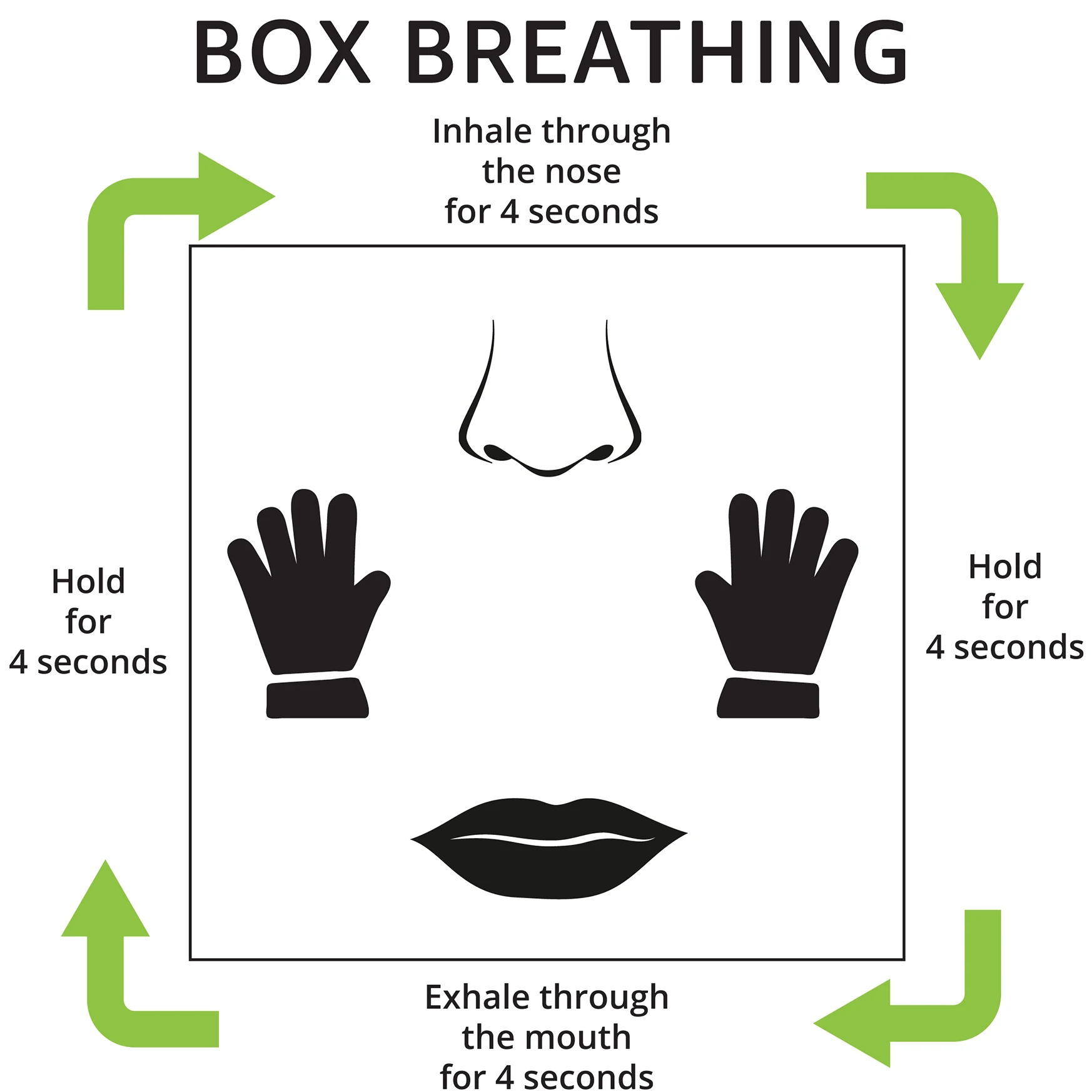
When stress rises, your skin often reacts. Techniques like box breathing—even for a minute or two—can help shift your body out of “fight or flight,” reducing sudden cortisol spikes that show up on your skin. [2]
Fresh air and natural surroundings are incredibly effective at calming the nervous system. Whenever you can, choose quiet, clean-air spaces to clear your head. Make small pockets of space for simple activities that bring you genuine joy—whether that is reading, gardening, listening to music, or just laughing often. Humor is a quick and powerful tool to shift your nervous system out of high alert.
Spending time with pets—or even looking at comforting animal images—has been shown to naturally lower cortisol levels. Likewise, reaching out to a trusted friend, family member, or professional can significantly lighten your emotional load, helping to stave off stress-related skin flare-ups.
Protecting your mental space protects your skin. Limit endless scrolling on social media to reduce exposure to comparison and information overload. Practice letting go of perfectionism—aim for “good enough” because consistency matters far more than flawless execution. It also helps to handle tasks early to avoid last-minute mental clutter, set simple systems to tame your email inbox, and say “no” with grace to commitments that drain your energy.
Rest is essential for hormone balance and emotional stability. Aim for 7–8 hours of quality sleep each night. Deep sleep is exactly when your body releases growth hormone, which actively drives skin repair and recovery.
Supporting your body internally makes it easier to handle external stressors. Focus on an anti‑inflammatory diet rich in whole foods—leafy greens, berries, fish, nuts—while reducing excess sugar and caffeine, which can mimic stress responses in the body. If you can, look for small ways to adjust your daily schedule or workload to support your well-being, and lean into moments of quiet reflection, prayer, or stillness to regain perspective.
Disclaimer: If stress is severely impacting your sleep, appetite, or daily mental health, or if your skin is flaring in ways that feel unmanageable, always consider reaching out to a healthcare provider or a dermatologist for professional medical support.
One of the most effective ways to reduce daily stress while taking control of your skin health is to simplify your routine and move away from overwhelming, ingredient‑heavy products. Making your own skincare allows you to slow down, understand what you’re using, and create formulas that genuinely support your skin.
Inside my book, Simple DIY Skincare: The Complete Guide to Easy, Natural Recipes for Beginners, you’ll find 15 soothing, silicone‑free recipes designed to nourish and rebuild a stressed skin barrier. It’s a practical, calming way to care for your skin—and yourself.
[1] Neera Nathan. Stress may be getting to your skin, but it’s not a one-way street. Harvard Health Blog. 2021 Apr.
[2] Perciavalle V, Blandini M, Fecarotta P, Buscemi A, Di Corrado D, Bertolo L, Fichera F, Coco M. The role of deep breathing on stress. Neurol Sci. 2017 Mar;38(3):451-458. doi: 10.1007/s10072-016-2790-8. Epub 2016 Dec 19. PMID: 27995346.