The Resilient Skin Blueprint: How to Build a Healthy Skin Barrier
Your skin isn’t just a surface — it’s a living, layered defense system. Its job is simple: keep hydration in and keep irritants, bacteria, and pollution out.
With so many trending skincare ingredients, it’s incredibly easy to overdo things without meaning to. If your face suddenly feels red, stinging, or breakout‑prone, you might be dealing with a stressed or damaged skin barrier.
What Is the Skin Barrier and How Does It Work?
The outermost layer of your skin — the stratum corneum — is your body’s primary shield. In the skincare world, we call this the skin barrier.
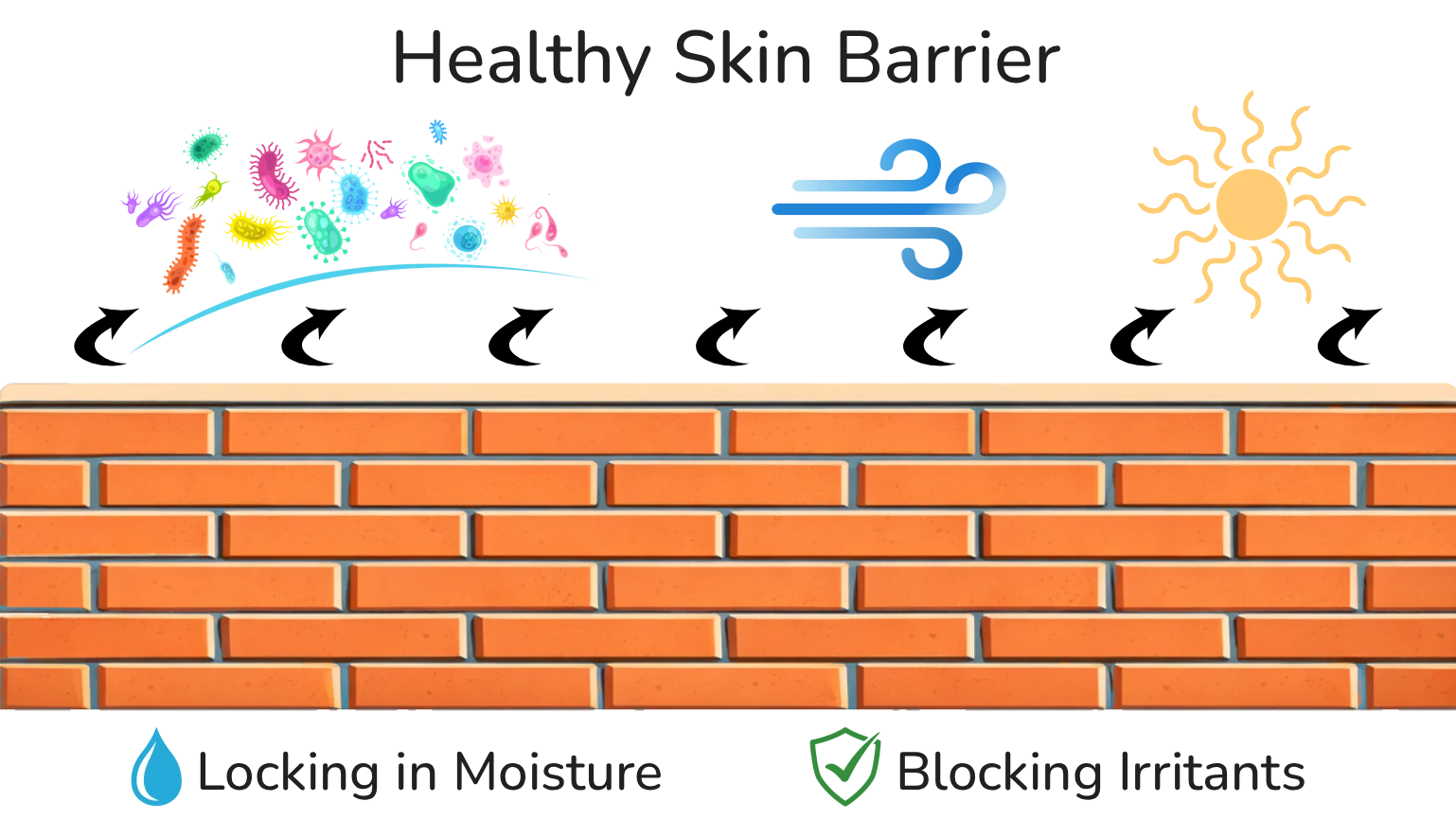
To understand how it works, think of your skin barrier as a brick wall:
The Bricks: Your corneocytes (tough skin cells).
The Mortar: A rich lipid matrix made of ceramides, cholesterol, and fatty acids that binds the cells together.
The Paint: A thin layer of natural oils (sebum) that coats the surface, making it water‑repellent. When your skin’s natural barrier is working properly, it keeps moisture in and shields you from UV, harsh weather, and everyday irritants.
When your skin’s natural barrier works properly, it keeps moisture in and shields you from UV, harsh weather, and everyday irritants.
8 Signs of a Damaged Skin Barrier
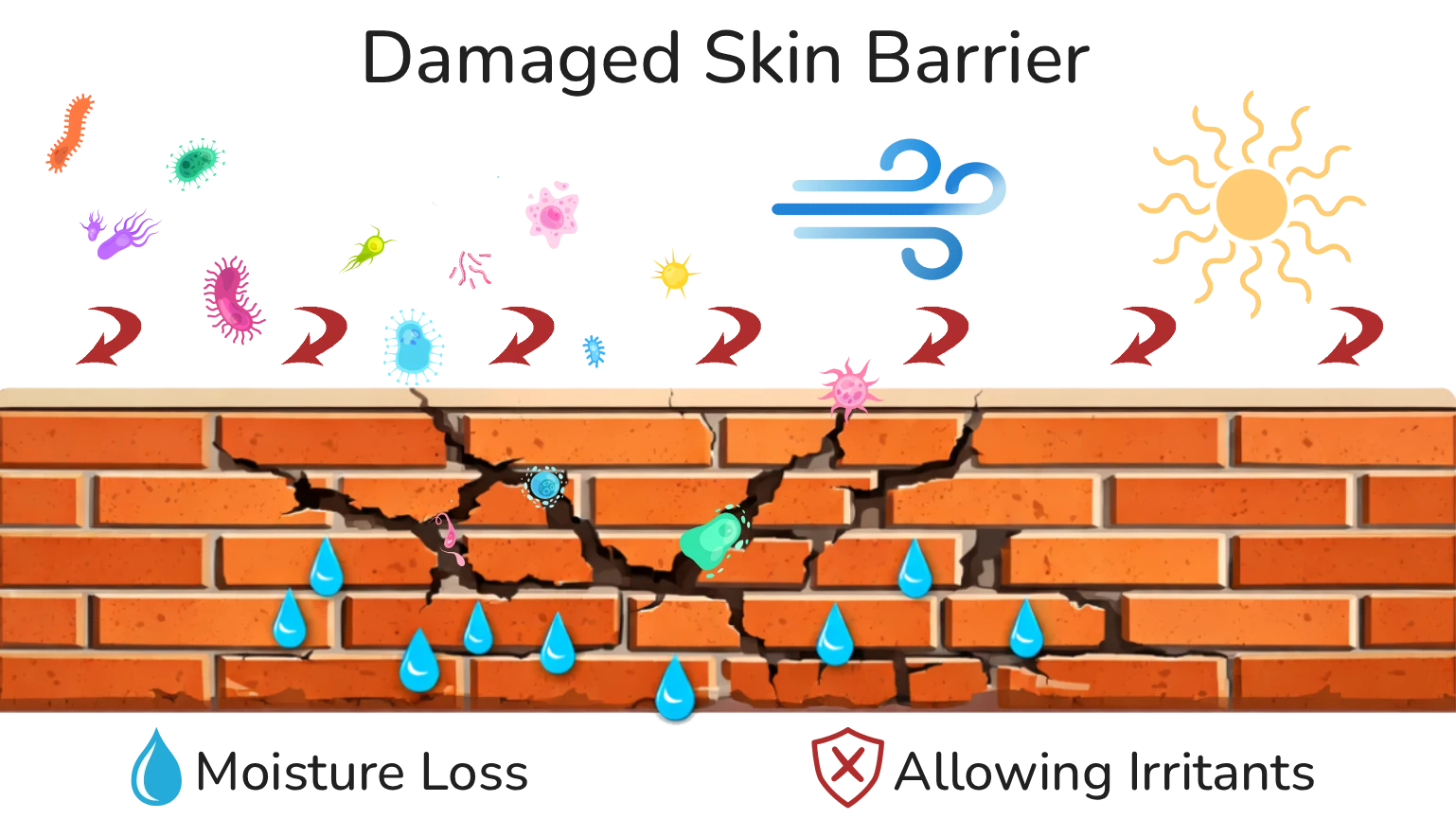
When the barrier weakens, tiny gaps form in that “brick wall. Moisture escapes (called transepidermal water loss), and irritants slip in.
You may notice the following:
Persistent dryness, tightness, and flakiness
Redness or irritation that appears more easily than usual
A burning or stinging sensation when applying products that are normally comfortable
Breakouts or small bumps that don’t follow your usual pattern
Itchy, rough, or scaly patches of skin
Increased sensitivity to environmental exposure (sun, wind, cold)
Eczema or dermatitis flare‑ups
Fine lines that appear more visible due to dehydration
If you’re noticing any of these signs, the solution isn’t complicated products — it’s building a healthy skin barrier to keep moisture in, keep irritants out, and allow your skin to repair itself. The steps below show you exactly how to do that.
Part 1: Daily Habits and Lifestyle Changes for Barrier Support
The Daily Skincare Habits
Patch Test First: Before applying a new product all over your face, test a small amount on your jawline for 48 hours to check for irritation, allergic reactions, or microbial sensitivity.
Cleanse Wisely: Avoid harsh, splashing routines or hot shower water; both strip away the lipid layer your barrier depends on. Instead, match your cleansing method to your skin’s current condition:
The Gentle Double Cleanse: If you’re wearing water‑resistant sunscreen or makeup, start with Oil Cleanser on a damp cloth and gently wipe it across the skin to lift away buildup. Follow with Hydrating Cleanser on a soft cloth or cotton pad to remove any remaining residue while leaving behind a protective, hydrating layer—no full sink rinse required.
For Flares or Broken Skin: If you’re dealing with an eczema flare, broken skin, or extreme sensitivity, skip oils entirely. Use a very gentle, soap‑free, water‑based wash such as Baby Wash until the skin is intact again.
Targeted Spot Treatment: Instead of drying acne treatments, try a targeted treatment like nourishing, anti-inflammatory Zit Zap Spot Stick, Barrier Ointment, Manuka Mud, Balm Base, or Malassezia Moisturizer directly on the problem area. See my guide for dealing with acne.
Try Powder or Silicone Makeup: Mineral powders and silicone-based formulas are gentler and less likely to clog pores than liquid or cream foundations with long ingredient lists. Always patch test new makeup.
Wash Your Tools: Brushes and sponges collect bacteria and fungi. If you’re breakout‑prone, wash them after every use.
Environmental & Whole-Body Health
Hydrate from the Inside Out: Water intake supports elasticity and barrier function, but you don’t need rigid rules. Let thirst, activity level, and urine color guide you.
Prioritize Restorative Sleep: Deep sleep drives cellular repair. Try sleeping on your back to reduce your face’s exposure to acne-causing bacteria and fungi that collect on bedding.
Evaluate Your Indoor Air: Dry indoor heat increases transepidermal water loss. Use a humidifier in dry seasons and an air conditioner to manage humidity in warm climates.
Manage Stress: Chronic stress slows barrier repair and increases inflammation. Lowering cortisol levels gives your skin the conditions it needs to heal [1]. See How Stress Affects Your Skin.
Exercise for Skin & Circulation: Movement boosts circulation, hydration, and microbiome health. Sweat [2] is a natural moisturizer and immune booster—but cleanse afterward with a gentle Hydrating Cleanser or Oil Cleanser.
Eat for Skin and Gut Health: A balanced diet rich in fiber, antioxidants, and healthy fats supports both gut and skin wellness (see The Best Foods for Clear Skin). If lifestyle changes and skincare adjustments don’t improve your skin, consider consulting a healthcare provider, as internal health plays a major role.
Part 2: Products and Skincare Ingredients for Barrier Repair
The Role of Sunscreen in Skin Barrier Health
UV radiation is one of the fastest ways to weaken the skin barrier. Apply a broad-spectrum mineral sunscreen (SPF 30+) every morning, especially along the hairline, jawline, and ears.
Practice smart sun exposure. While UV rays can damage skin structures, moderate sunlight supports vital Vitamin D production. If your skin barrier is healthy and the UV index is low, a few minutes of brief, unprotected exposure can be highly beneficial. However, if you are actively using skin-thinning exfoliants such as AHAs or BHAs, avoid direct sun entirely.
While essential for everyone to prevent UV damage, choosing the right texture matters for your specific skin type:
For Normal to Dry Skin: A standard, hydrating mineral sunscreen cream works well and can often pull double duty as your morning moisturizer.
For Eczema-Prone & Sensitive Skin: Stick to physical (mineral) sunscreens containing zinc oxide or titanium dioxide. They sit on top of the skin like a shield rather than absorbing into it, which helps prevent the stinging or burning that can set off eczema flares.
For Fungal-Prone Skin (Malassezia): Avoid heavy creams. They often contain fatty acids and esters (many ending in -ate) that feed the yeast. Opt for ultra-lightweight fluids made from silicones or formulas explicitly labeled “fungal-acne safe.”
For Oily & Acne-Prone Skin: Look for mineral formulas labeled non-comedogenic. “Fluid” or “gel” textures that dry down to a matte or satin finish will prevent that heavy, greasy feeling and keep breakouts at bay.
💡 The 2-Hour Rule: If you’re outdoors, reapply every two hours.
💡 The Truth About Powder Sunscreen: Brush-on mineral powders are a helpful, irritation-free option for sensitive, eczema-prone, and fungal-prone skin because they contain no oils, fragrances, or yeast-feeding lipids. However, do not rely on powder as your primary morning sunscreen. To actually get the SPF listed on the bottle, you would have to apply an unrealistically thick layer. Instead, apply a liquid sunscreen as your morning base, and use the powder throughout the day for easy touch-ups or to blot away excess shine.
Choosing Products That Feed Your Skin
Healthy skin starts with how you take care of your body from the inside—through hydration, nutrition, and overall wellness—but it also depends heavily on what you apply to your face.
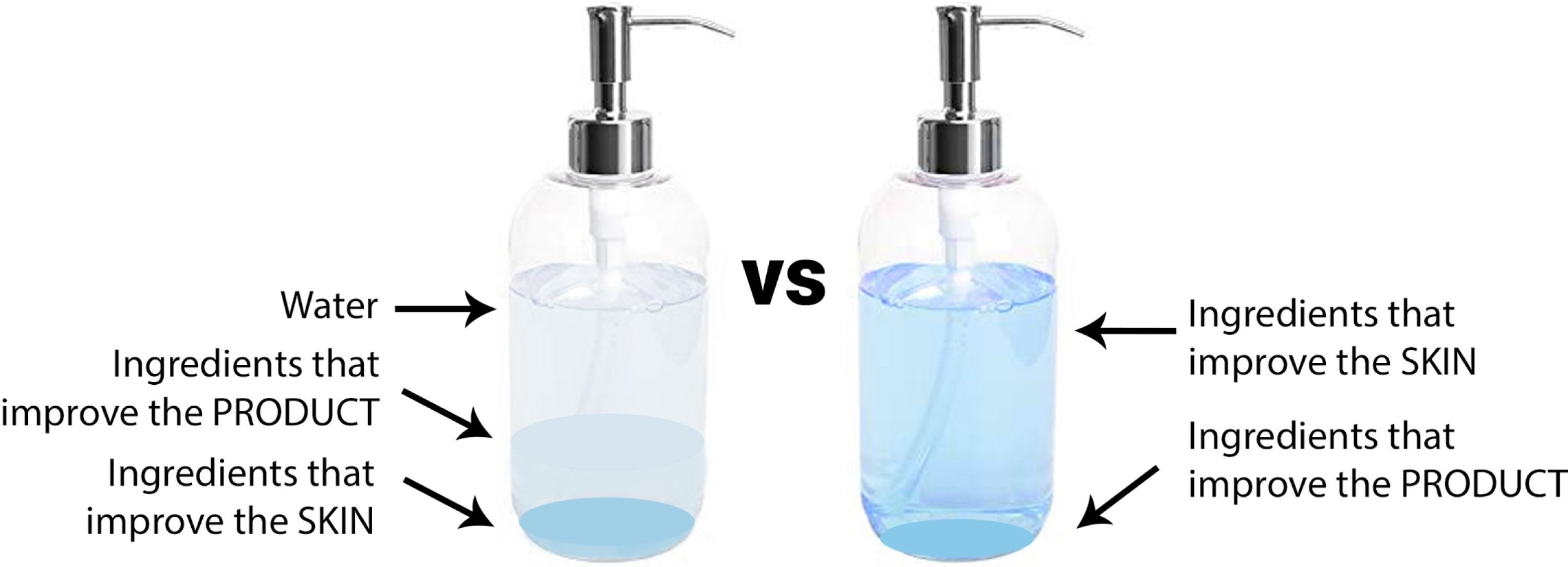
Many everyday beauty and personal care products are mostly made of water, padded out with cheap oils, fillers, and artificial fragrances. These formulas are manufactured for mass production and a pleasant texture, not for deep nourishment. While they might work perfectly fine if your skin is already healthy and resilient, they don’t provide the actual nutrients needed to fix and support a damaged skin surface.
When possible, choose products that do more. True barrier-repair products are specifically designed to strengthen and restore your skin’s natural defenses. They work by combining three essential elements:
Moisture magnets (humectants) that draw water into the outer layer
Smoothing oils (emollients) that soften and replenish dry, uneven areas
Protective seals (occlusives) such as plant butters and waxes that prevent moisture loss
Together, these ingredients act like the mortar between the bricks of a wall, reinforcing your skin’s outermost layer so it can protect you from the outside world. They don’t just temporarily hydrate; they supply a balanced, healthy “diet” that gives your skin the exact raw materials it needs to heal and function at its best.
Master Directory: Key Ingredients for Barrier Health
Your skin barrier relies on specific, nutrient-dense ingredients to stay strong, flexible, and resilient. Look for formulas concentrated with these components:
Good Bacteria Boosters (Prebiotics & Probiotics): Feed the friendly microbes living on your skin to keep bad bacteria away and prevent irritation [3].
Firming Blocks & Plant Extracts (Peptides & Plant Stem Cells): Help keep skin looking firm, support fresh skin renewal, and keep your skin’s natural healing processes running smoothly [4,5].
Natural Skin Fats (Ceramides & Cholesterol): Essential protective fats that act like the “glue” holding your outer skin cells together, keeping the skin’s structure strong and sealing in moisture [6].
Calming, Nutrient-Rich Oils (Meadowfoam, Jojoba, Squalane): Packed with vitamins and healthy fats to soothe redness, protect against environmental wear-and-tear, help minor irritation heal, and keep skin feeling soft [7].
Vitamins & Environmental Protectors (Antioxidants & Vitamins A, C, and E): Calm deep irritation, support the skin’s natural plumpness, and shield it from daily environmental damage, such as pollution and sun stress [8].
Moisture Magnets (Honey, Glycerin, Sodium PCA, Propanediol): Actively drink in and pull water into the outer layer of your skin to keep it plump.
Soothing Plant Lipids (Phytosphingosine): A specialized skin fat that helps calm deep irritation and tells your skin it is time to start repairing itself.
⚠️ Fungal Acne Precaution: If you’re dealing with Malassezia overgrowth, avoid esters and most plant oils until symptoms resolve (see Fungal Acne and Other Fungal Conditions).
[1] Reich A, Wójcik-Maciejewicz A, Slominski AT. Stress and the skin. Giornale Italiano di Dermatologia e Venereologia. 2010 Apr;145(2):213-9. PMID: 20467395.
[2] Tetsuo Shiohara, Yoshiko Mizukawa, Yurie Shimoda-Komatsu, Yumi Aoyama. Sweat is a most efficient natural moisturizer providing protective immunity at points of allergen entry. Allergology International, Volume 67, Issue 4, 2018, Pages 442-447, ISSN 1323-8930.
[3] Al-Ghazzewi FH, Tester RF. Impact of prebiotics and probiotics on skin health. Benef Microbes. 2014 Jun 1;5(2):99-107. doi: 10.3920/BM2013.0040. PMID: 24583611.
[4] Jeong, Sekyoo et al. “Anti-Wrinkle Benefits of Peptides Complex Stimulating Skin Basement Membrane Proteins Expression.” International Journal of Molecular Sciences vol. 21,1 73. 20 Dec. 2019, doi:10.3390/ijms21010073.
[5] Korkina, Liudmila G et al. “Meristem Plant Cells as a Sustainable Source of Redox Actives for Skin Rejuvenation.” Biomolecules vol. 7,2 40. 12 May. 2017, doi:10.3390/biom7020040.
[6] Asai S, Miyachi H. [Evaluation of skin-moisturizing effects of oral or percutaneous use of plant ceramides]. Rinsho Byori. 2007 Mar;55(3):209-15. Japanese. PMID: 17441463.
[7] Poljšak N, Kreft S, Kočevar Glavač N. Vegetable butters and oils in skin wound healing: Scientific evidence for new opportunities in dermatology. Phytotherapy Research. 2020 Feb;34(2):254-269. doi: 10.1002/ptr.6524. Epub 2019 Oct 27. PMID: 31657094.
[8] Dreher F, Maibach H. Protective effects of topical antioxidants in humans. Current Problems in Dermatology. 2001;29:157-64. doi: 10.1159/000060664. PMID: 11225195.
Manage Cookie Consent
To provide the best experiences, we use technologies like cookies to access and store device information. Consenting to these technologies will allow us to process data such as browsing behavior on this site. Not consenting or withdrawing consent, may adversely affect certain features and functions.
Functional
Always active
The technical storage or access is strictly necessary for the legitimate purpose of enabling the use of a specific service explicitly requested by the subscriber or user, or for the sole purpose of carrying out the transmission of a communication over an electronic communications network.
Preferences
The technical storage or access is necessary for the legitimate purpose of storing preferences that are not requested by the subscriber or user.
Statistics
The technical storage or access that is used exclusively for statistical purposes.The technical storage or access that is used exclusively for anonymous statistical purposes. Without a subpoena, voluntary compliance on the part of your Internet Service Provider, or additional records from a third party, information stored or retrieved for this purpose alone cannot usually be used to identify you.
Marketing
The technical storage or access is required to create user profiles to send advertising, or to track the user on a website or across several websites for similar marketing purposes.