
Malassezia is a yeast-like fungus that is a normal part of the skin’s flora. It is usually tolerated without any problem. However, when the skin microbiome balance is compromised, the yeast can multiply abnormally.
Malassezia yeast overgrowth can trigger systemic infections as well as other skin conditions. So, if you have any of the following conditions, the information in this article may help.
If you have an itchy rash, it’s important to seek medical attention to determine the cause of the problem.
This post focuses on how to get rid of fungal acne and other fungus-related skin conditions using natural products and ingredients.
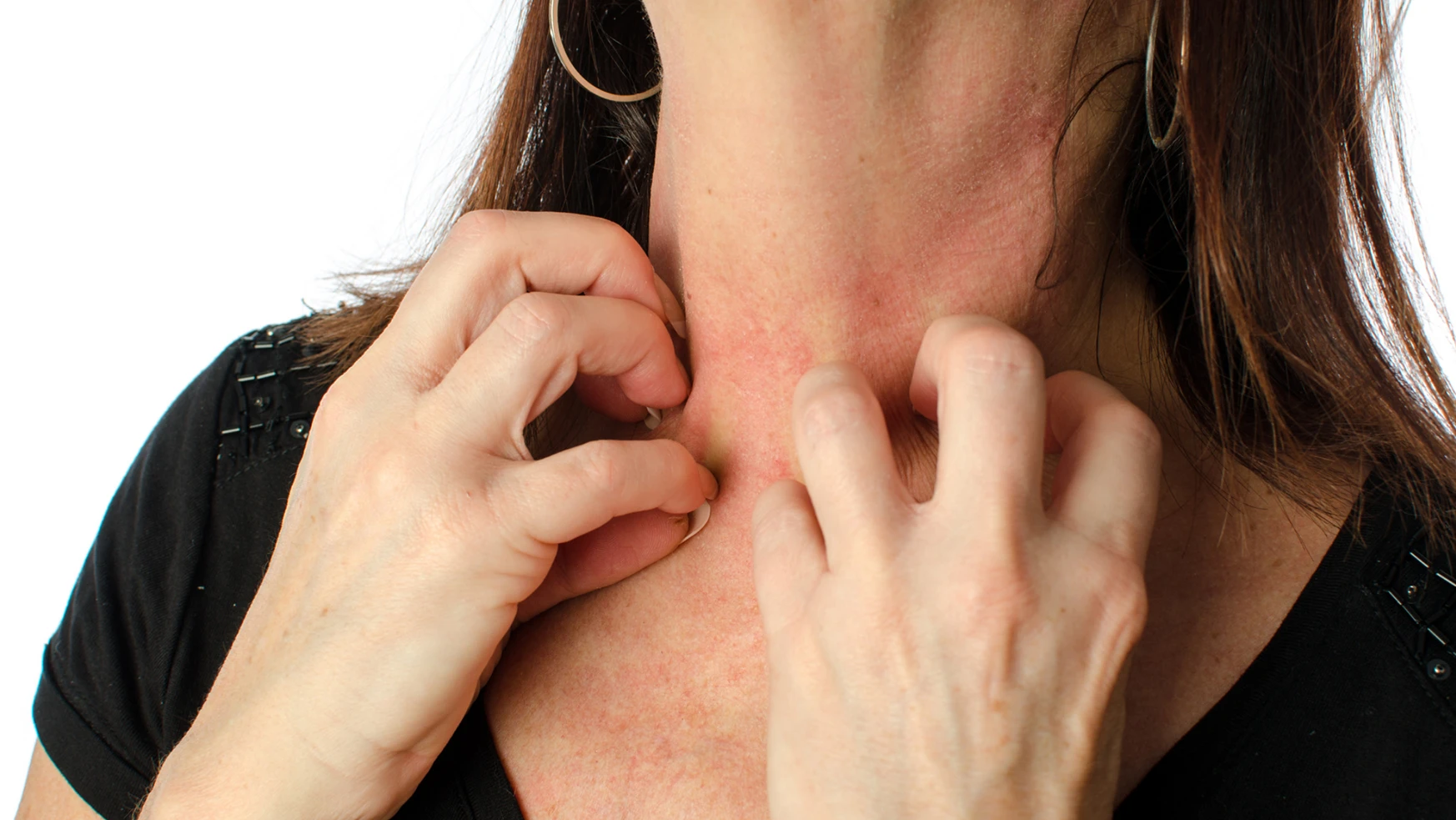
Here are some natural ways to prevent fungal acne and other skin conditions caused by Malassezia overgrowth:
Maskne refers to acne caused by wearing a face mask for prolonged periods of time.
There are two main types of maskne: fungal and bacterial. Fungal maskne is caused by an overgrowth of yeast on the skin, which thrives in warm and humid environments. Bacterial maskne is caused by an imbalance of the skin’s natural bacteria, which can be disrupted by friction, pressure, or occlusion from the mask.
In addition to following the advice listed above, mask wearers should do the following to avoid both types of maskne:
If you have any form of fungus-related skin condition, this is the one time to AVOID MOST PLANT OILS until the skin heals and the microbiome has returned to normal.
Malassezia feeds on1:
That means that ALMOST ALL skincare products will make this particular problem worse. It’s time for MINIMALIST SKINCARE that will starve Malassezia!
You don’t necessarily need to throw out your personal care products but set them aside until your skin barrier is repaired.
1 Dobler, D.; Schmidts, T.; Wildenhain, S.; Seewald, I.; Merzhäuser, M.; Runkel, F. Impact of Selected Cosmetic Ingredients on Common Microorganisms of Healthy Human Skin. Cosmetics 2019, 6, 45. doi.org/10.3390/cosmetics6030045.
Here are some Malassezia-safe ingredients that can help kill Malassezia fungus overgrowth and support a balanced skin microbiome.
Use an oatmeal paste or bath to calm irritation.2
Malassezia yeast creates a biofilm, a kind of shield that prevents many products formulated to kill fungus from actually working as expected. Biofilms can also adapt so that a product may work for a while. When the yeast adapts its biofilm, the product no longer reaches the yeast to kill it. This biofilm needs to be broken. Xylitol3 is an effective ingredient to break that biofilm.
Make a natural antifungal mask of Manuka honey, plain yogurt, xylitol, and salt. The paste will be sticky, so cover it with a bandage or clothing that can be laundered. Leave on for up to 3 hours. Rinse thoroughly. Repeat once or twice a week. For convenience, try using Manuka Mud Mineral Mask.
MCT oil (Caprylic Capric Triglycerides) is a lightweight oil that does NOT feed Malassezia yeast.
The following essential oils have been shown to kill Malassezia fungus.
The following essential oils have been shown to help relieve itching and pain associated with Malassezia-related skin infections. Start with 0.5% essential oil (4 drops or 0.15 grams in 1 ounce of MCT oil) and gradually add up to 3% (27 drops or .9 grams or 1/4 teaspoon in 1 ounce of MCT oil) only if needed and you don’t experience any adverse reaction.
IMPORTANT: The suggestions above are for healthy adults. Before using essential oils in your personal care products, click here to read about the benefits and risks. If you don’t notice your skin returning to normal within a few weeks, seek advice from a medical professional.
2 Allais, Blair et al. “Colloidal Oatmeal Part I: History, Basic Science, Mechanism of Action, and Clinical Efficacy in the Treatment of Atopic Dermatitis.” JDDOnline vol. 19, Issue 10. 21 Sep. 2020.
3 Katsuyama M, Ichikawa H, Ogawa S, Ikezawa Z. A novel method to control the balance of skin microflora. Part 1. Attack on biofilm of Staphylococcus aureus without antibiotics. J Dermatol Sci. 2005 Jun;38(3):197-205. doi: 10.1016/j.jdermsci.2005.01.006. Epub 2005 Mar 2. Erratum in: J Dermatol Sci. 2005 Sep;39(3):196. Masako, Katsuyama [corrected to Katsuyama, Masako]; Hideyuki, Ichikawa [corrected to Ichikawa, Hideyuki]; Shigeyuki, Ogawa [corrected to Ogawa, Shigeyuki]; Zenro, Ikezawa [corrected to Ikezawa, Zenro]. PMID: 15927813.
4 Jacinta Santhanam, Farhana Nadiah Abd Ghani, Dayang Fredalina Basri, “Antifungal Activity of Jasminum sambac against Malassezia sp. and Non-Malassezia sp. Isolated from Human Skin Samples”, Journal of Mycology, vol. 2014, Article ID 359630, 7 pages, 2014. doi.org/10.1155/2014/359630
5 Hammer KA, Carson CF, Riley TV. In vitro activities of ketoconazole, econazole, miconazole, and Melaleuca alternifolia (tea tree) oil against Malassezia species. Antimicrob Agents Chemother. 2000 Feb;44(2):467-9. doi: 10.1128/AAC.44.2.467-469.2000. PMID: 10639388; PMCID: PMC89709.
6 Mathew C, Tesfaye W, Rasmussen P, Peterson GM, Bartholomaeus A, Sharma M, Thomas J. Mānuka Oil-A Review of Antimicrobial and Other Medicinal Properties. Pharmaceuticals (Basel). 2020 Oct 26;13(11):343. doi: 10.3390/ph13110343. PMID: 33114724; PMCID: PMC7694078.
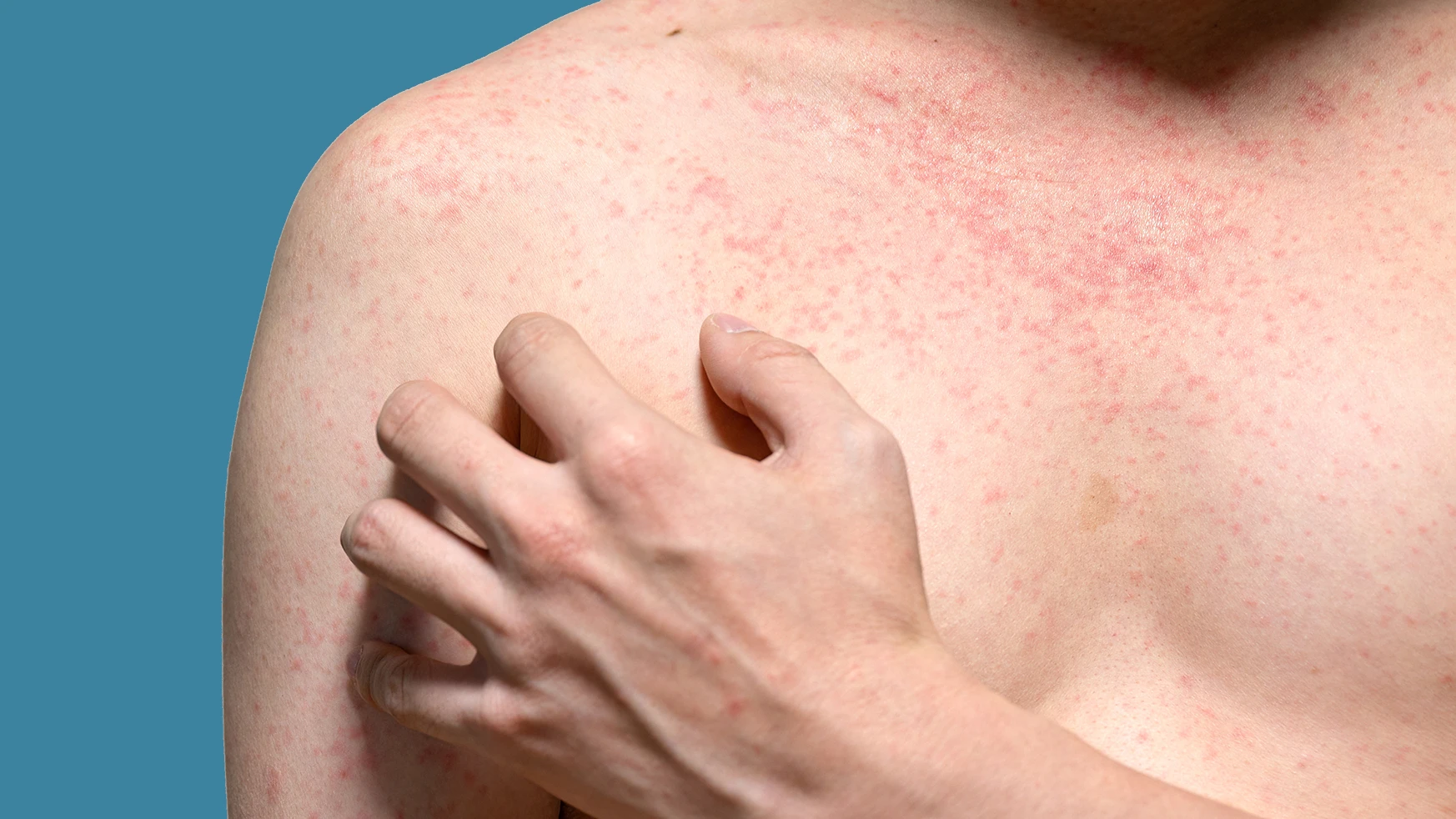
What goes in makes a difference in the skin!
For a very long time, I ignored the possibility that what I ate might affect my skin because I didn’t want to change my eating habits. When health issues forced me to start watching what I put in my body, I found that eating a low-inflammation, hormone-balancing diet could lead to healthier, clearer skin.
If you have any kind of fungal infection of the skin consider the following dietary changes.
Eliminate these foods which compromise the gut and skin microbiome:
Add these foods to help balance the skin microbiome from the inside out:
If you have an itchy rash on your armpits or other sweaty areas like the groin (bikini area) or under your breasts, try Corum Malassezia Deodorant. Stop the stink while supporting a healthy microbiome.
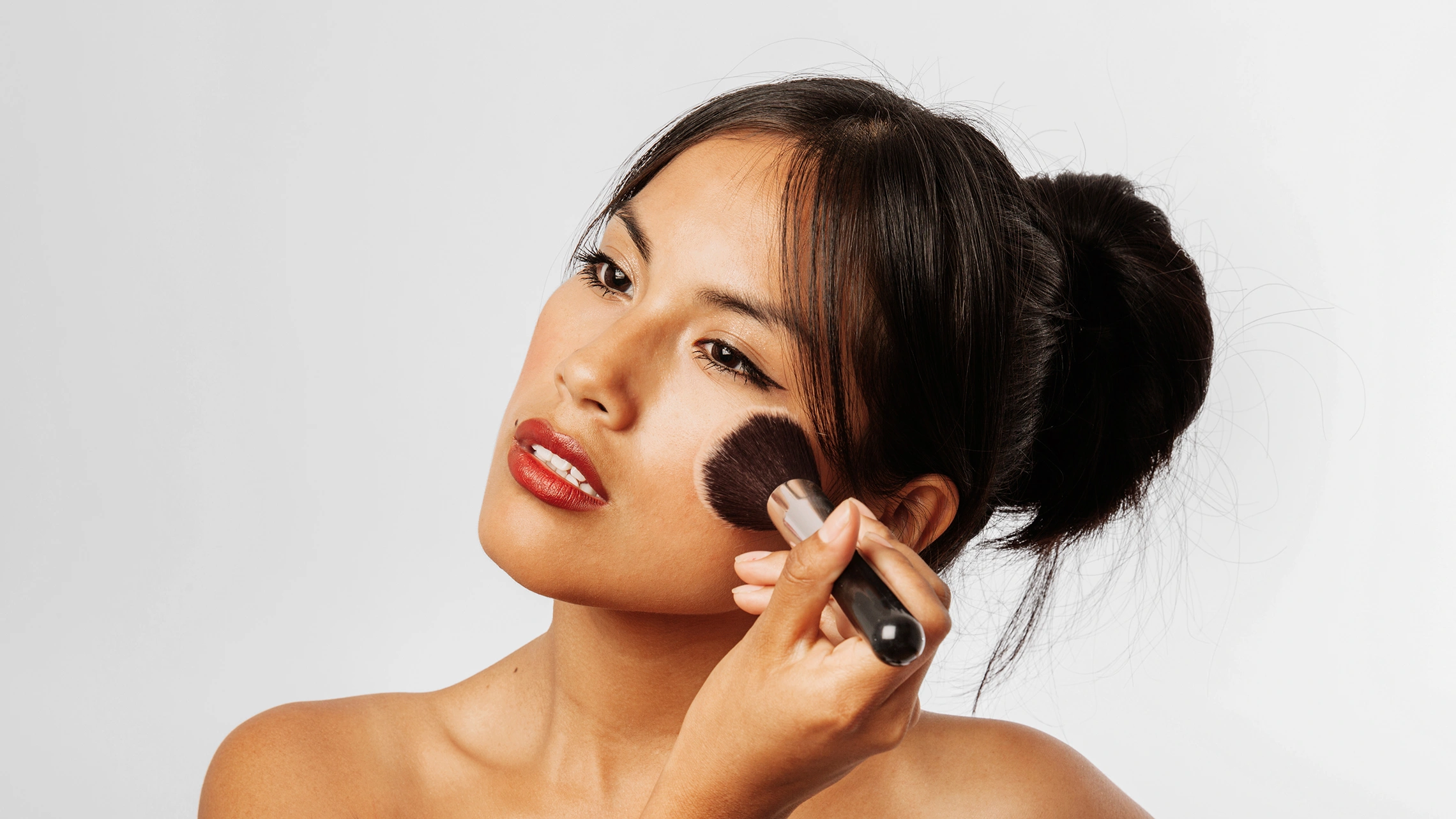
Choose makeup carefully. Some ingredients in makeup can create more problems. Powder mineral makeup that does not contain plant oils is the least likely to further damage the skin barrier in those with a Malassezia-related condition. Mineral makeup, unlike most liquid and cream foundations, simply doesn’t have all the ingredients necessary to create an emulsion. Many of those extra ingredients will feed Malassezia and need to be avoided until the skin microbiome is restored to normal.
Once the skin barrier microbiome has returned to normal, it’s a good idea to introduce skin food plant oils into your skincare routine.
Follow a minimalistic routine with Malassezia-safe products until the skin returns to normal. Whatever product you want to try, test it on a small area first to see how your skin reacts.
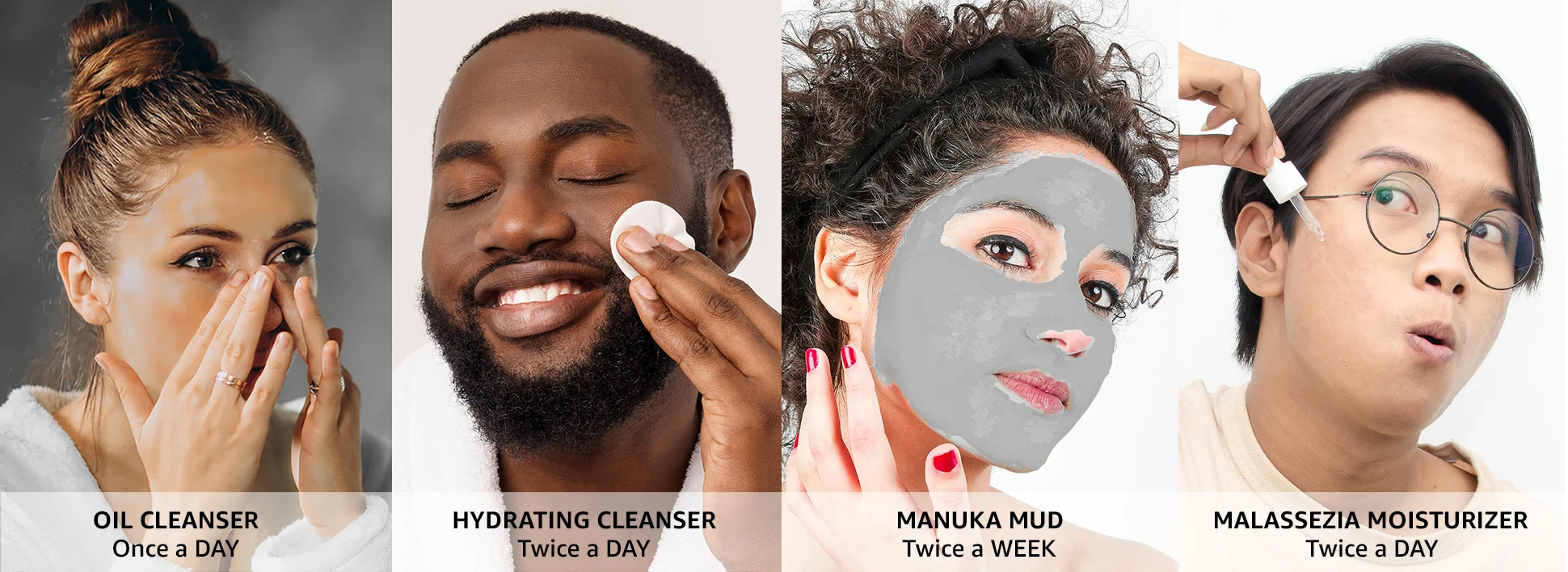
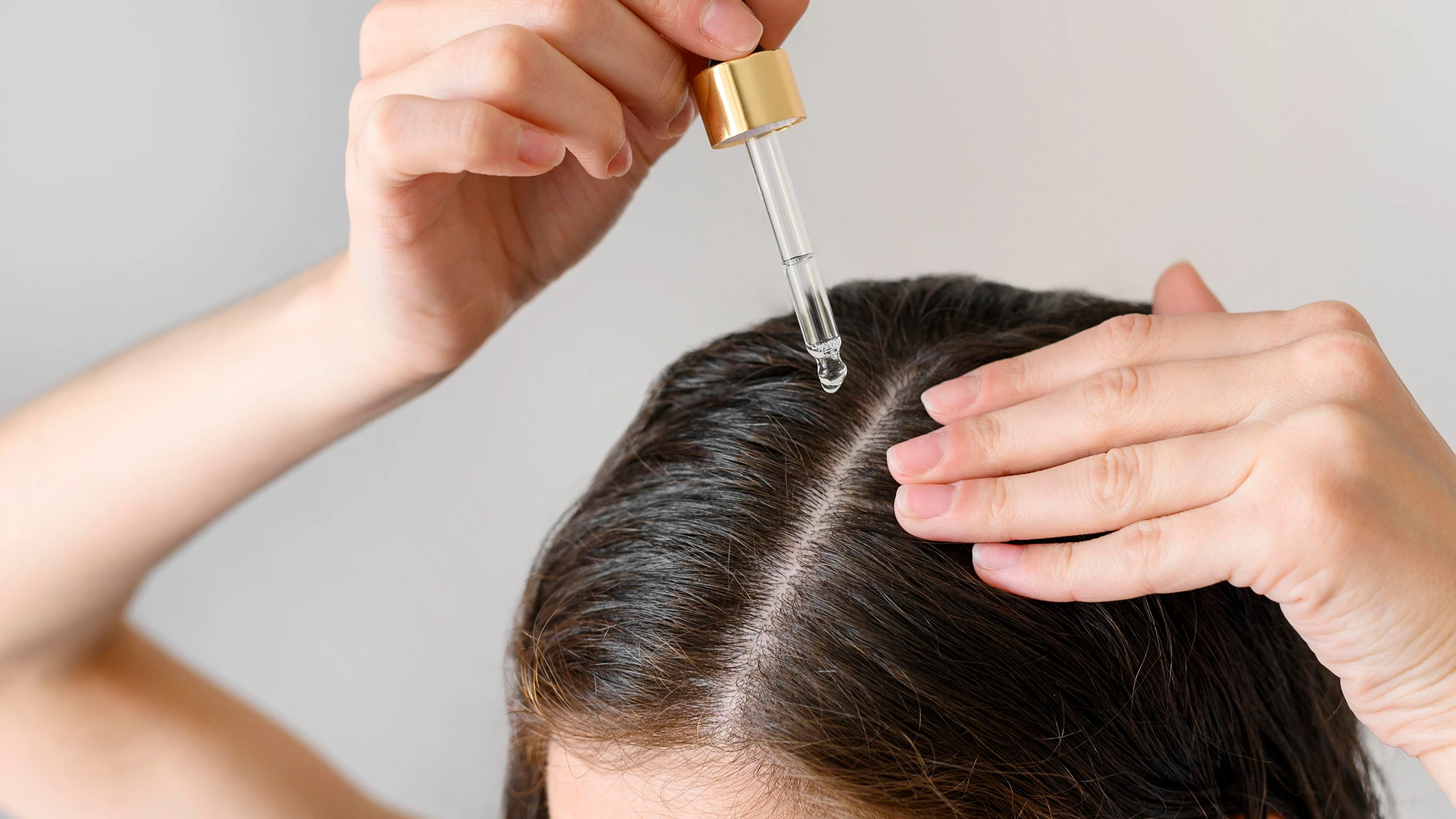
Repairing a damaged skin barrier can take several weeks or longer. Cell turnover takes a few weeks, but adjusting the skin microbiome can take longer because it’s related to overall health as well as your skincare routine.
I struggled for decades with various skin issues, and I didn’t get consistently clear skin until I took a holistic approach that meant adjusting my diet, stress level, sleep, gut microbiome, and exercise, as well as the skincare products I was using.
I recommend you continue reading the articles in the Malassezia section of this blog to understand better how the skin works, some habits you might consider stopping, and some you might need to consider starting to have healthy skin.